

HFblogNews
Профессионал
Date: 26th May 2026.
Oil Surges on US-Iran Conflict: How Stocks, Dollar, and Global Markets React.

The result was a sharp rotation across oil, equities, currencies, bonds, and precious metals, with investors reassessing inflation risks and global growth expectations.
Brent crude initially fell sharply on expectations that US-Iran negotiations were progressing and that a potential agreement could ease supply risks. However, sentiment reversed after reports of renewed military activity, with oil prices rebounding toward higher levels.
The volatility reflects a key market concern: whether a diplomatic breakthrough can stabilise shipping through the Strait of Hormuz or whether disruptions to global supply chains will persist.
Energy traders remain focused on the risk that prolonged instability could keep oil prices elevated, adding pressure to global inflation.
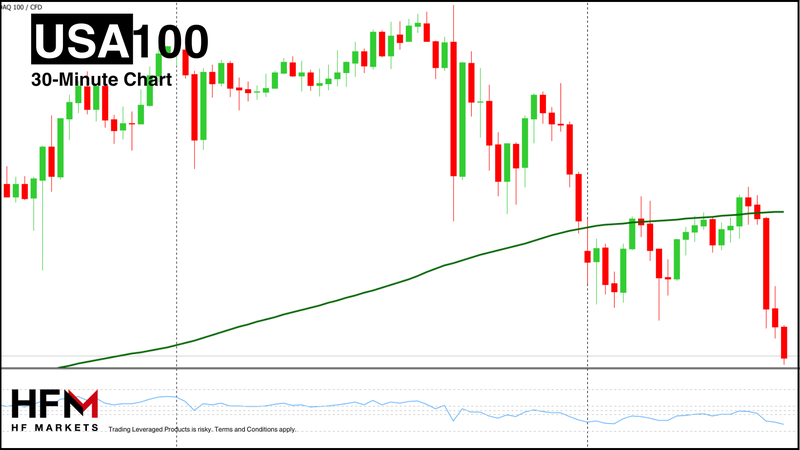
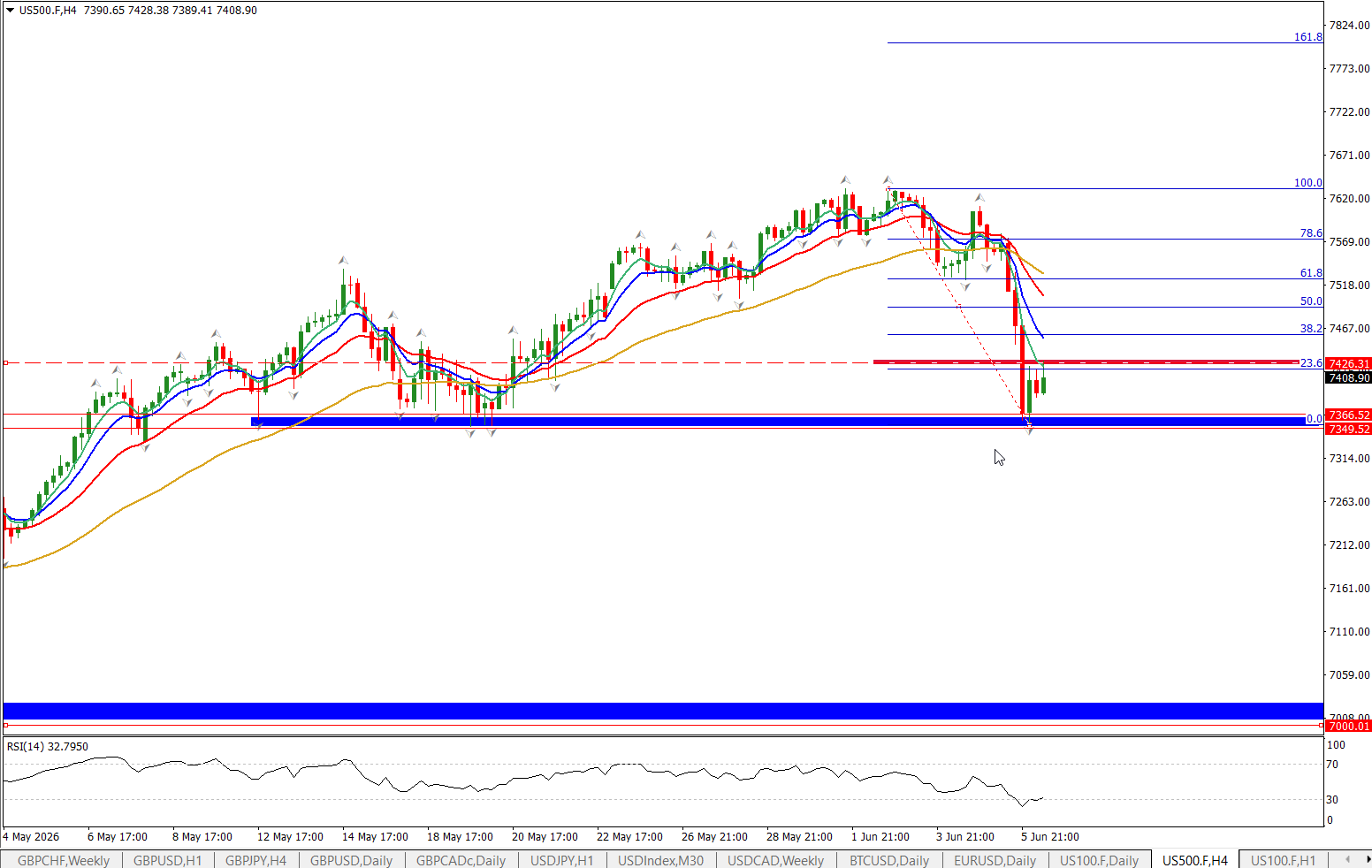
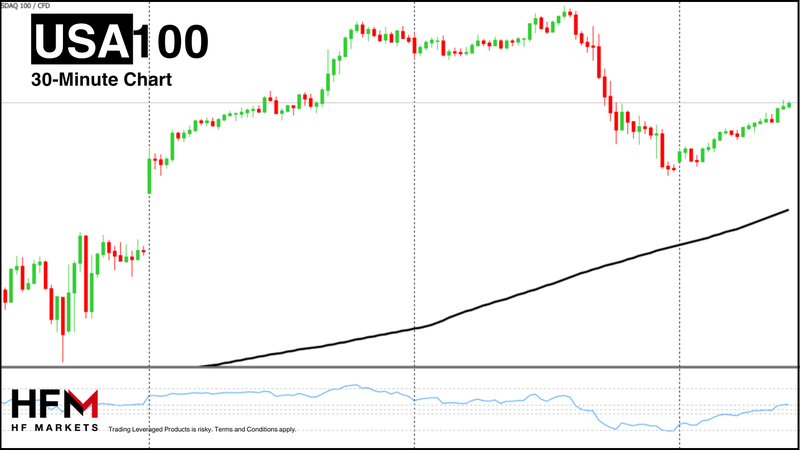
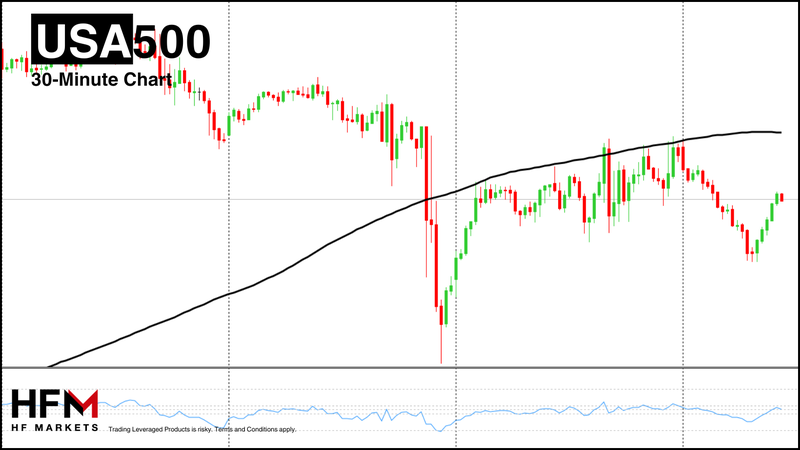
In the United States, ^GSPC futures initially rose on hopes that lower oil prices could ease inflation and support economic growth. However, gains moderated as geopolitical risks resurfaced. Technology stocks showed relative resilience, supported by ongoing optimism around artificial intelligence and long-term growth in semiconductor demand.
In Asia, Japan's N225 declined as higher oil prices raised concerns for energy-import-dependent economies. Meanwhile, Hong Kong and South Korea showed more stability, supported by technology sector strength.
European equities also remained cautious as investors weighed slowing growth against persistent energy inflation risks.
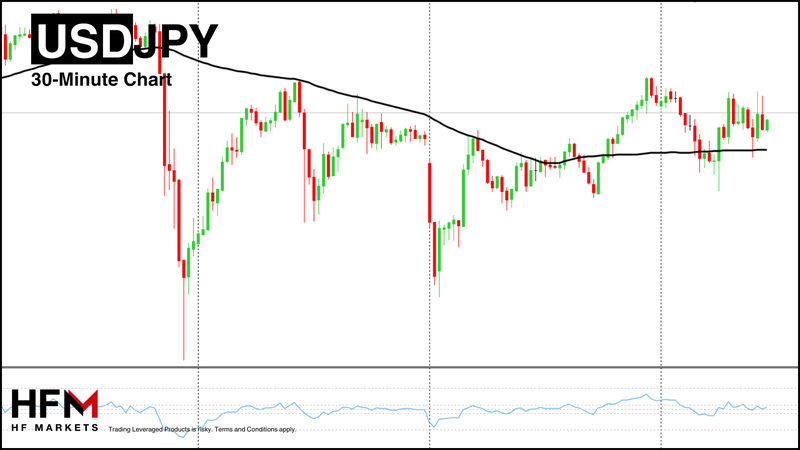
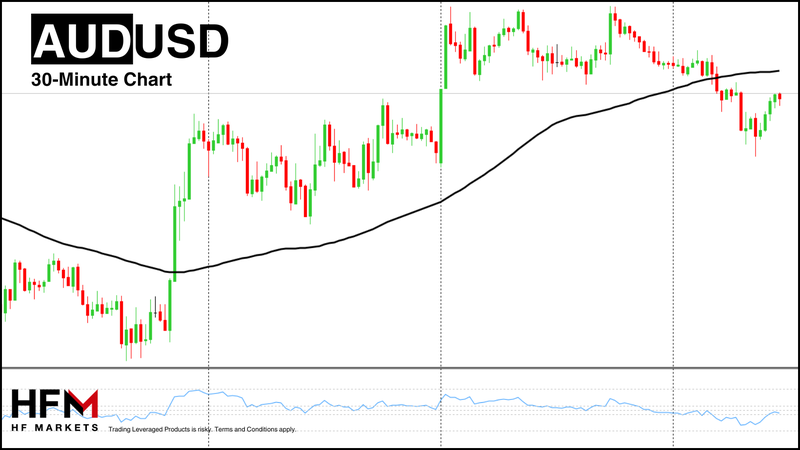
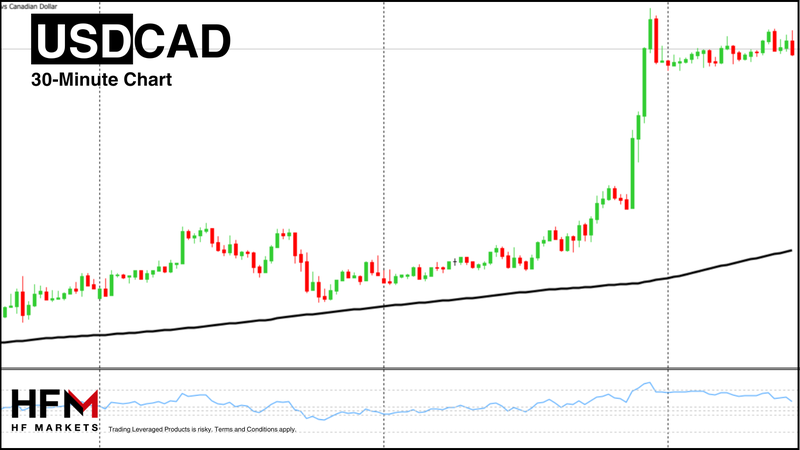
Demand for dollar-denominated assets increased as markets reassessed risk, while expectations of persistent inflation supported the currency further.
Rising oil prices also reinforced expectations that the Federal Reserve may maintain higher interest rates for longer, supporting US Treasury yields and strengthening the dollar.
As a result, major currencies such as the euro and Japanese yen came under pressure.

Meanwhile, Treasury markets reacted to changing inflation expectations, with yields fluctuating alongside oil prices.
The key driver remains energy inflation, which continues to shape central bank expectations globally.
The main focus going forward is whether diplomatic negotiations can stabilize energy flows through the Strait of Hormuz. Until clarity emerges, volatility across oil, stocks, currencies, and bonds is expected to remain elevated.
Always trade with strict risk management. Your capital is the single most important aspect of your trading business.
Please note that times displayed based on local time zone and are from time of writing this report.
Click HERE to access the full HFM Economic calendar.
Want to learn to trade and analyze the markets? Join our webinars and get analysis and trading ideas combined with better understanding of how markets work. Click HERE to register for FREE!
Click HERE to READ more Market news.
Andria Pichidi
HFMarkets
Disclaimer: This material is provided as a general marketing communication for information purposes only and does not constitute an independent investment research. Nothing in this communication contains, or should be considered as containing, an investment advice or an investment recommendation or a solicitation for the purpose of buying or selling of any financial instrument. All information provided is gathered from reputable sources and any information containing an indication of past performance is not a guarantee or reliable indicator of future performance. Users acknowledge that any investment in Leveraged Products is characterized by a certain degree of uncertainty and that any investment of this nature involves a high level of risk for which the users are solely responsible and liable. We assume no liability for any loss arising from any investment made based on the information provided in this communication. This communication must not be reproduced or further distributed without our prior written permission.
Oil Surges on US-Iran Conflict: How Stocks, Dollar, and Global Markets React.
Global Markets React to Rising Middle East Tensions
Global financial markets turned volatile after renewed US military strikes in southern Iran and ongoing uncertainty surrounding negotiations aimed at reopening the Strait of Hormuz. Investor sentiment shifted rapidly between optimism over a potential peace agreement and concern that escalating tensions could prolong disruptions to global energy supplies.The result was a sharp rotation across oil, equities, currencies, bonds, and precious metals, with investors reassessing inflation risks and global growth expectations.
Oil Prices Become the Key Market Driver
Oil markets reacted immediately to geopolitical developments, highlighting the sensitivity of global energy flows.Brent crude initially fell sharply on expectations that US-Iran negotiations were progressing and that a potential agreement could ease supply risks. However, sentiment reversed after reports of renewed military activity, with oil prices rebounding toward higher levels.
The volatility reflects a key market concern: whether a diplomatic breakthrough can stabilise shipping through the Strait of Hormuz or whether disruptions to global supply chains will persist.
Energy traders remain focused on the risk that prolonged instability could keep oil prices elevated, adding pressure to global inflation.
Stock Markets Turn Mixed Amid Uncertainty
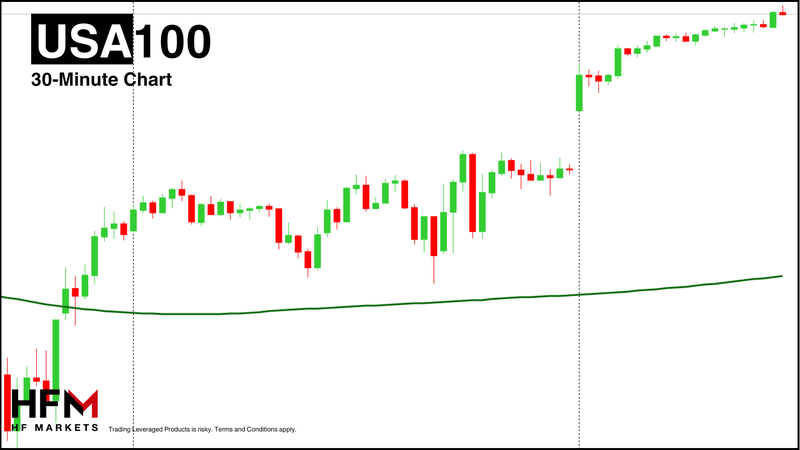
Global equities reflected the same uncertainty.In the United States, ^GSPC futures initially rose on hopes that lower oil prices could ease inflation and support economic growth. However, gains moderated as geopolitical risks resurfaced. Technology stocks showed relative resilience, supported by ongoing optimism around artificial intelligence and long-term growth in semiconductor demand.
In Asia, Japan's N225 declined as higher oil prices raised concerns for energy-import-dependent economies. Meanwhile, Hong Kong and South Korea showed more stability, supported by technology sector strength.
European equities also remained cautious as investors weighed slowing growth against persistent energy inflation risks.
The US Dollar Strengthens on Safe-Haven Demand
The US dollar strengthens as investors move into safer assets amid geopolitical uncertainty.Demand for dollar-denominated assets increased as markets reassessed risk, while expectations of persistent inflation supported the currency further.
Rising oil prices also reinforced expectations that the Federal Reserve may maintain higher interest rates for longer, supporting US Treasury yields and strengthening the dollar.
As a result, major currencies such as the euro and Japanese yen came under pressure.
Gold and Bonds Reflect Risk Sentiment Shifts
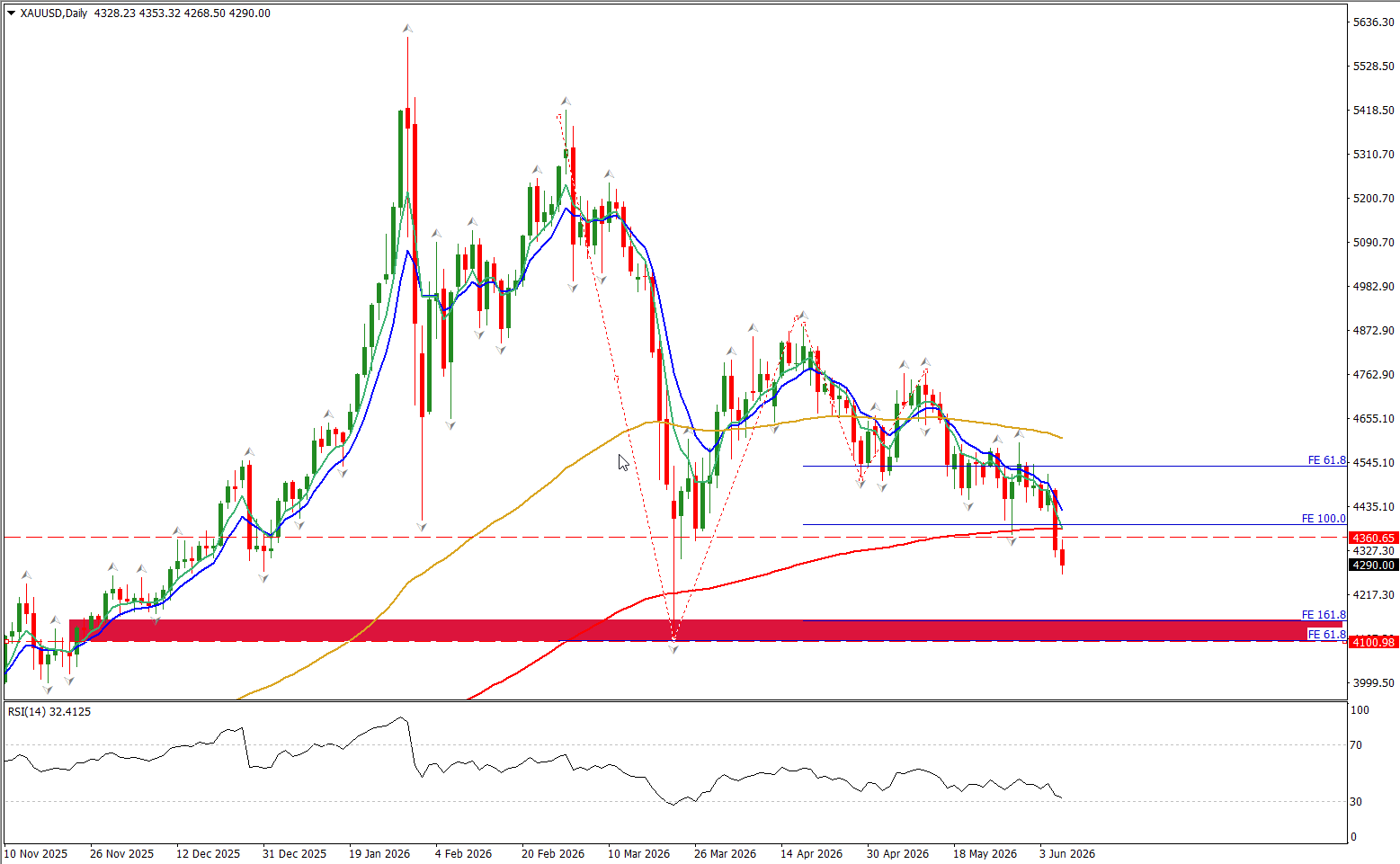
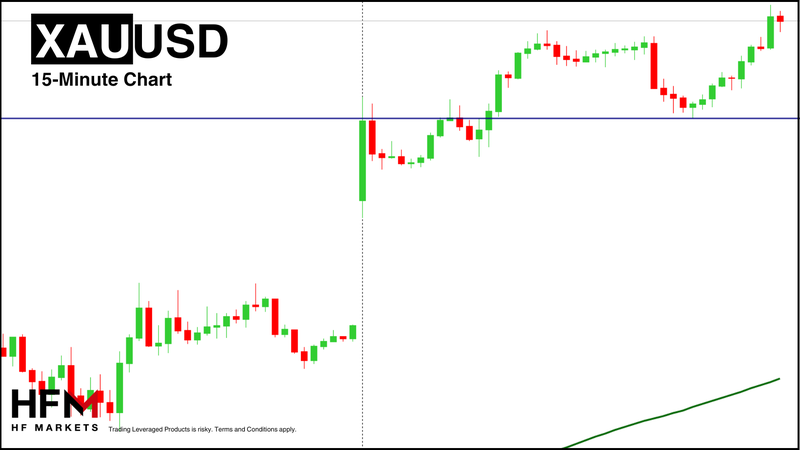
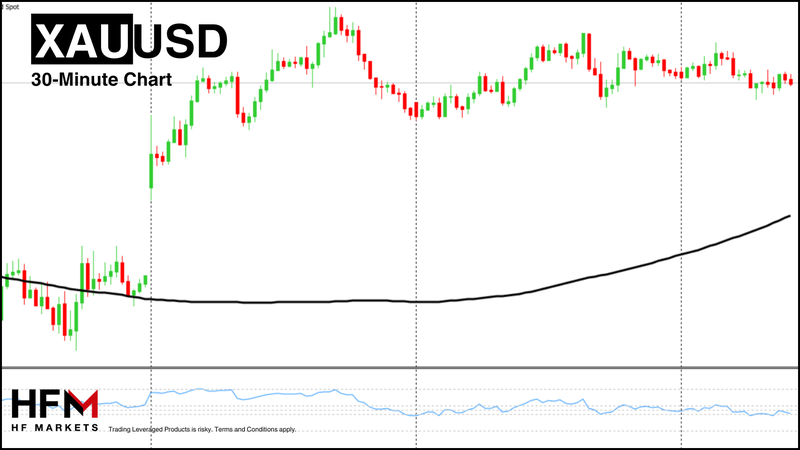
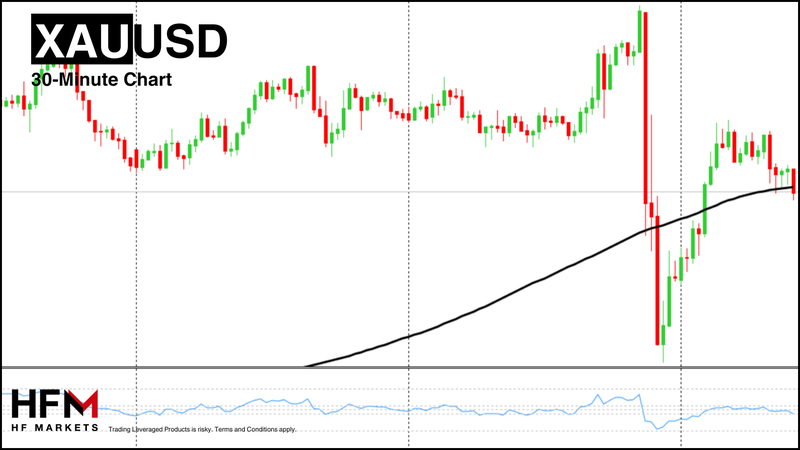
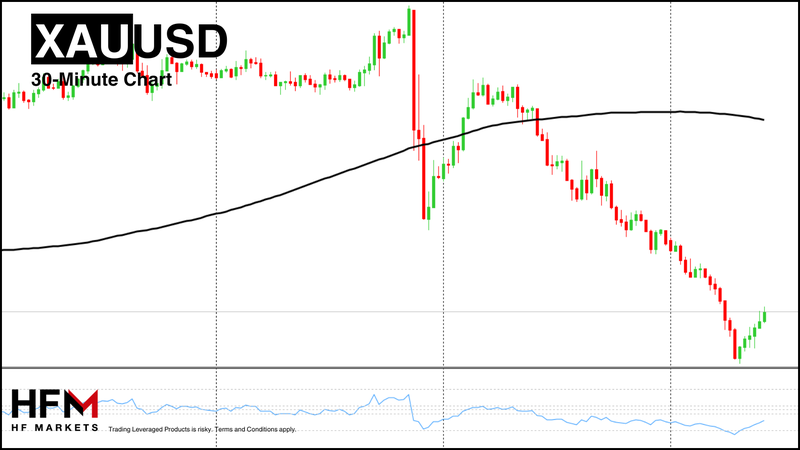
Gold initially benefited from safe-haven flows but later lost momentum as the dollar strengthened and bond yields stabilised.Meanwhile, Treasury markets reacted to changing inflation expectations, with yields fluctuating alongside oil prices.
The key driver remains energy inflation, which continues to shape central bank expectations globally.
Key Market Outlook
Markets remain highly sensitive to developments in the Middle East.The main focus going forward is whether diplomatic negotiations can stabilize energy flows through the Strait of Hormuz. Until clarity emerges, volatility across oil, stocks, currencies, and bonds is expected to remain elevated.
Always trade with strict risk management. Your capital is the single most important aspect of your trading business.
Please note that times displayed based on local time zone and are from time of writing this report.
Click HERE to access the full HFM Economic calendar.
Want to learn to trade and analyze the markets? Join our webinars and get analysis and trading ideas combined with better understanding of how markets work. Click HERE to register for FREE!
Click HERE to READ more Market news.
Andria Pichidi
HFMarkets
Disclaimer: This material is provided as a general marketing communication for information purposes only and does not constitute an independent investment research. Nothing in this communication contains, or should be considered as containing, an investment advice or an investment recommendation or a solicitation for the purpose of buying or selling of any financial instrument. All information provided is gathered from reputable sources and any information containing an indication of past performance is not a guarantee or reliable indicator of future performance. Users acknowledge that any investment in Leveraged Products is characterized by a certain degree of uncertainty and that any investment of this nature involves a high level of risk for which the users are solely responsible and liable. We assume no liability for any loss arising from any investment made based on the information provided in this communication. This communication must not be reproduced or further distributed without our prior written permission.
Реклама: 🔥 Хочешь получить Telegram Premium и стать гуру Polymarket? Кликай сюда!


![2026-05-29 12_29_15-41023261_ HFMarketsSV-Demo Server - HF Markets (SV) Ltd. - [XAUUSD,H4]](https://www.hfm.com/api/get-analysis-image/?file=images/2026-05-29_12_29_15-41023261__HFMarketsSV-Demo_.original.png "2026-05-29 12_29_15-41023261_ HFMarketsSV-Demo Server - HF Markets (SV) Ltd. - [XAUUSD,H4]")


![2026-06-09 11_17_01-48132278 - HFMarketsGlobal-Demo - Netting - HF Markets (SV) Ltd. - [EURGBP,H4]](https://www.hfm.com/api/get-analysis-image/?file=images/2026-06-09_11_17_01-48132278_-_HFMarketsGlobal-.original.png "2026-06-09 11_17_01-48132278 - HFMarketsGlobal-Demo - Netting - HF Markets (SV) Ltd. - [EURGBP,H4]")
![HFMarketsSV-Demo Server - HF Markets (SV) Ltd. - [USOIL,Daily]](https://www.hfm.com/api/get-analysis-image/?file=images/HFMarketsSV-Demo_Server_-_HF_Markets_SV_Ltd.original.png "HFMarketsSV-Demo Server - HF Markets (SV) Ltd. - [USOIL,Daily]")
![2026-06-12 11_33_48-41023261_ HFMarketsSV-Demo Server - HF Markets (SV) Ltd. - [USOIL,H1]](https://www.hfm.com/api/get-analysis-image/?file=images/2026-06-12_11_33_48-41023261__HFMarketsSV-Demo_.original.png "2026-06-12 11_33_48-41023261_ HFMarketsSV-Demo Server - HF Markets (SV) Ltd. - [USOIL,H1]")
![2026-06-23 09_HF Markets (SV) Ltd. - [USOIL,Daily]](https://www.hfm.com/api/get-analysis-image/?file=images/2026-06-23_09_HF_Markets_SV_Ltd.original.png "2026-06-23 09_HF Markets (SV) Ltd. - [USOIL,Daily]")
![2026-06-23 09_40_27-41023261_ HFMarketsSV-Demo Server - HF Markets (SV) Ltd. - [USDJPY,H4]](https://www.hfm.com/api/get-analysis-image/?file=images/2026-06-23_09_40_27-41023261__HFMarketsSV-Demo_.original.png "2026-06-23 09_40_27-41023261_ HFMarketsSV-Demo Server - HF Markets (SV) Ltd. - [USDJPY,H4]")


