• Добро пожаловать на инвестиционный форум!

    Во всем многообразии инвестиций трудно разобраться. MMGP станет вашим надежным помощником и путеводителем в мире инвестиций. Только самые последние тренды, передовые технологии и новые возможности. 400 тысяч пользователей уже выбрали нас. Самые актуальные новости, проверенные стратегии и способы заработка. Сюда люди приходят поделиться своим опытом, найти и обсудить новые перспективы. 16 миллионов сообщений, оставленных нашими пользователями, содержат их бесценный опыт и знания. Присоединяйтесь и вы!

    Впрочем, для начала надо зарегистрироваться!
  • 🐑 Моисей водил бесплатно. А мы платим, хотя тоже планируем работать 40 лет! Принимай участие в партнеской программе MMGP
  • 📝 Знаешь буквы и умеешь их компоновать? Платим. Дорого. Бессрочная акция от MMGP: "ОПЛАТА ЗА СООБЩЕНИЯ"

HFMarkets (hfm.com): Market analysis services. - Страница 41

HFblogNews

Профессионал
Регистрация
13.01.2021
Сообщения
970
Реакции
1
Поинты
9.650
Date: 11th February 2026.

Gold Breaks from Its Traditional Dollar Correlation?


Gold Breaks from Its Traditional Dollar Correlation?


The announcement of Kevin Warsh as the Federal Reserve Chairman nominee and heavy profit-taking have driven Gold down by 21%. Though the asset has recently regained 58% of its lost value. Gold’s outlook will now heavily depend on today’s employment data and Friday’s inflation rate.

The price movement of Gold has been somewhat static, forming range-bound conditions but with a slight bullish bias. However, when also analysing the price of the US Dollar, the correlation does not follow its traditional path. The USD has come under immense pressure over the past week, but Gold’s upward trend has been less volatile.

However, traders should note that correlations have weakened temporarily in the past but later showed a delayed response.

The US Dollar Index

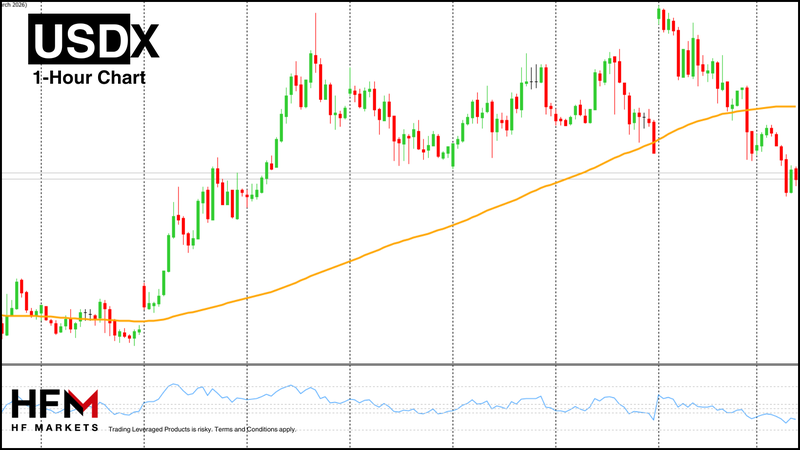
The US Dollar Index is trading lower on Wednesday and has also fallen in value over the previous three trading days. The currency has been performing relatively well towards the end of January and the first week of February. This is due to investors expecting a hawkish Federal Reserve and no imminent rate cut.

However, analysts expect inflation to decline to 2.5%, an 8-month low and fairly close to the Fed’s target. As a result, the Federal Reserve may consider a small adjustment within March, which is not currently priced into the market.

Yesterday, Stephen Miran, a member of the US Federal Reserve Board, said that the Republican administration’s trade policy has had only a limited impact on the US economy. He explained that most of the costs from higher tariffs and taxes have been absorbed by foreign companies. He also added that the effect on US household spending has been small.

Analysts see his comments as a sign that inflation pressures are gradually easing. This could give the Federal Reserve room to adjust monetary policy if needed, while still maintaining financial stability.

Meanwhile, White House Economic Adviser Kevin Hassett said that job growth may slow in the coming months. He pointed to slower growth in the labour force, higher productivity, and fewer migrant workers entering the country as factors that could reduce overall employment growth.

The US Dollar is the worst-performing currency of the day and of the past week.

XAUUSD - Economic Data and Dollar Weakness Supports Gold

The weakening US Dollar is one of the main factors that could push gold prices higher. However, even though Gold prices remain somewhat stable and elevated, the price is not forming a bullish trend. Traditionally, due to the correlation between the USD and Gold, Gold would normally be at least 9%; however, the increase is barely maintaining a rise of 5%.

Data released the day before showed a sharp slowdown in retail sales, falling from 3.3% to 2.4% year-over-year and from 0.6% to 0.0% month-over-month, while investors had expected 0.4% growth. Excluding vehicle sales, the figure also dropped to 0.0% MoM, confirming that November's increase was only a short-term holiday boost.

At the same time, consumers are raising concerns about rising prices and acting more cautiously amid a tense labor market. Still, the broader environment remains moderately supportive of industrial production, investment, and business spending, helping sustain the overall economic recovery after recent short-term shocks.

The main driver would be today's NFP Employment Change and Friday's Consumer Price Index (inflation data). Traders speculating upward price movement would ideally be hoping for the unemployment rate to rise by 0.1% and for inflation to fall to 2.4%, not 2.5%.

National Economic Council Director Kevin Hassett tells the market to expect weaker employment data and “not to panic.”

Geopolitical Tensions To Return?

Gold is also supported by ongoing geopolitical tensions, particularly in the Middle East, where talks between Iran, Israel, and the United States have failed. The US continues to demand a full dismantling of Iran's nuclear and missile programs while keeping sanctions in place.

As a result, investors are increasing gold holdings, and central banks are boosting physical gold purchases. According to the World Gold Council, gold demand hit a record 863 tons last year and remains strong. China's central bank is also increasing gold reserves as it seeks to reduce reliance on the US Dollar.
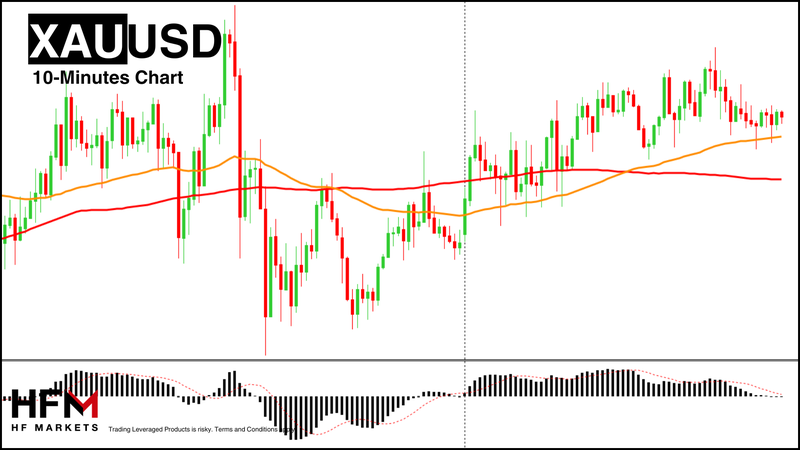
XAUUSD - Technical Analysis

HFM - XAUUSD 10-Minute Chart

HFM - XAUUSD 10-Minute Chart


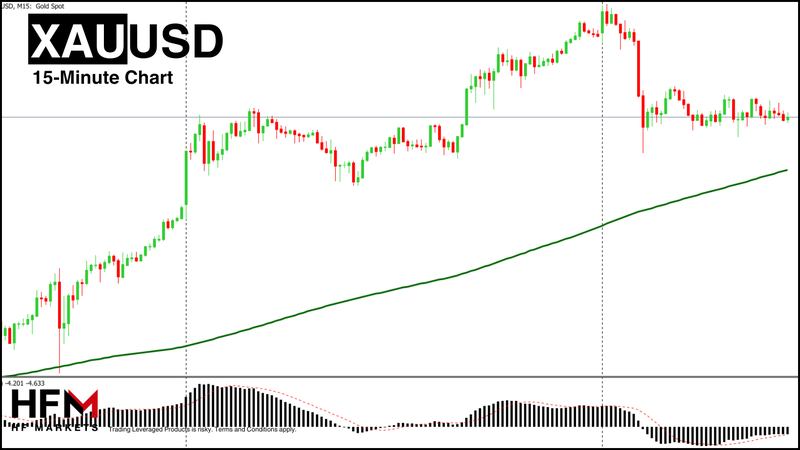
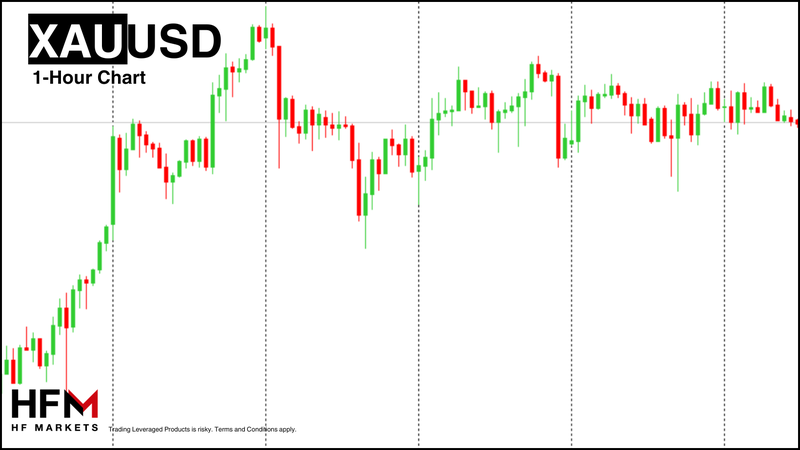
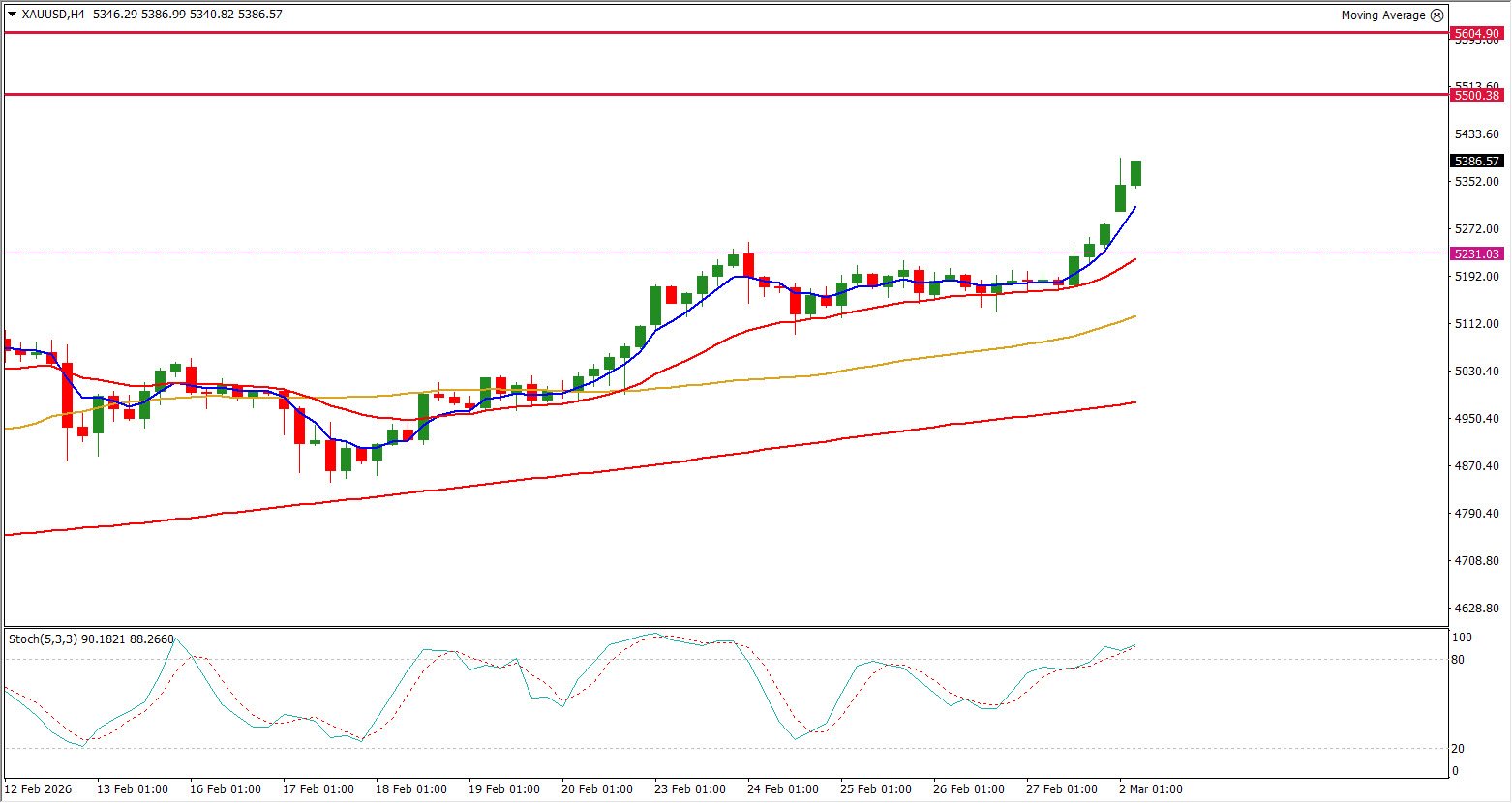
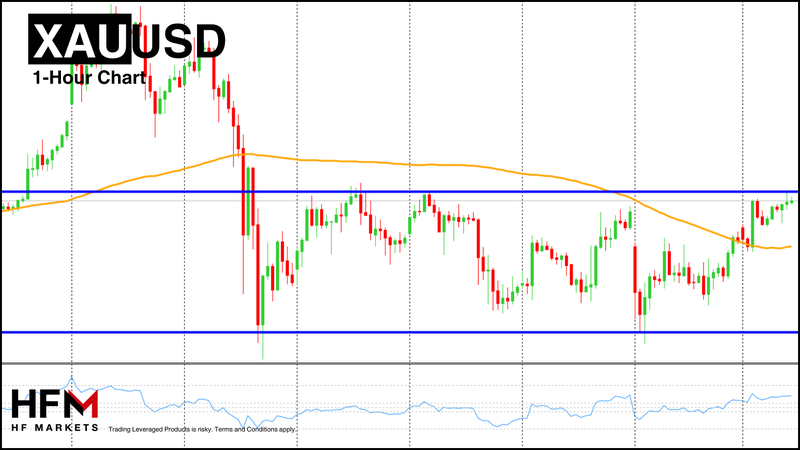
Over the past 24 hours, gold has formed a range-bound price pattern and is showing slightly more bullish than bearish momentum. The price continues to remain above the Moving Averages and the Volume-Weighted Average Price. The MACD and other Oscillators also remain on the positive side despite the lack of bullish price movement.

Today, the price is trading upwards with higher highs and lows on smaller timeframes. However, if the price falls below $5,038.85, the short-term bullish signals will fade.

Key Takeaways:

  • Gold rebounded after a sharp drop, recovering 58% of its 21% decline, but lost momentum in the past 24-hours.
  • The US Dollar is weakening, but Gold's rise has been relatively modest despite the typical inverse correlation.
  • Upcoming economic data is key, with today's NFP and Friday's inflation report likely to determine gold's next major move.
  • Geopolitical tensions and central bank demand support gold, with record global purchases and continued buying from China.

Always trade with strict risk management. Your capital is the single most important aspect of your trading business.

Please note that times displayed based on local time zone and are from time of writing this report.


Click HERE to access the full HFM Economic calendar.

Want to learn to trade and analyze the markets? Join our webinars and get analysis and trading ideas combined with better understanding of how markets work. Click HERE to register for FREE!

Click HERE to READ more Market news.

Michalis Efthymiou
HFMarkets

Disclaimer:
This material is provided as a general marketing communication for information purposes only and does not constitute an independent investment research. Nothing in this communication contains, or should be considered as containing, an investment advice or an investment recommendation or a solicitation for the purpose of buying or selling of any financial instrument. All information provided is gathered from reputable sources and any information containing an indication of past performance is not a guarantee or reliable indicator of future performance. Users acknowledge that any investment in Leveraged Products is characterized by a certain degree of uncertainty and that any investment of this nature involves a high level of risk for which the users are solely responsible and liable. We assume no liability for any loss arising from any investment made based on the information provided in this communication. This communication must not be reproduced or further distributed without our prior written permission.
 

HFblogNews

Профессионал
Регистрация
13.01.2021
Сообщения
970
Реакции
1
Поинты
9.650
Date: 12th February 2026.

Strong NFP Data Surprises Markets, Lifts The US Dollar.


Strong NFP Data Surprises Markets, Lifts The US Dollar


The latest US employment data came as a shock to market participants. Price action during and after the announcement shows that investors are unsure how to price in the new figures. This is why most assets saw a strong impulse wave, succeeded by a full correction. The only asset which saw a clear direction was the US Dollar.

Strong Economic Data Boosts US Sentiment

Analysts were previously expecting January’s employment data to be similar to the previous months. Over the past six months, the US economy, on average, has added 40,000 employed individuals on a monthly basis.

Conversely, the employment data read significantly stronger than in previous months and the current projections. The Non-Farm Payroll Change read +130,000, double previous expectations. The NFP Change is the highest reading since July 2025. The Average Hourly Earnings also rose 0.4%, higher than the previous month, where earnings only rose 0.1%. Lastly, the US Employment Rate fell from 4.4% to 4.3%.

As a result, the US employment sector remains resilient and even shows some signs of expansion. This, in turn, supports the view of the majority of market participants that the US Federal Reserve will continue the pause in the “dovish” cycle and adjust the cost of borrowing by -25 basis points only once in 2026. Thus, the probability of the indicator remaining in the 3.50% to 3.75% range at the March 18th meeting is now 94%, according to the Chicago Mercantile Exchange (CME) FedWatch Tool. Previously, the possibility of a pause was 79%.

According to the former senior adviser at the Federal Reserve Bank of San Francisco, Tim Mahedy told journalists, “It absolutely complicates the argument for lower rates”. “The January data were really strong”.

The US Dollar

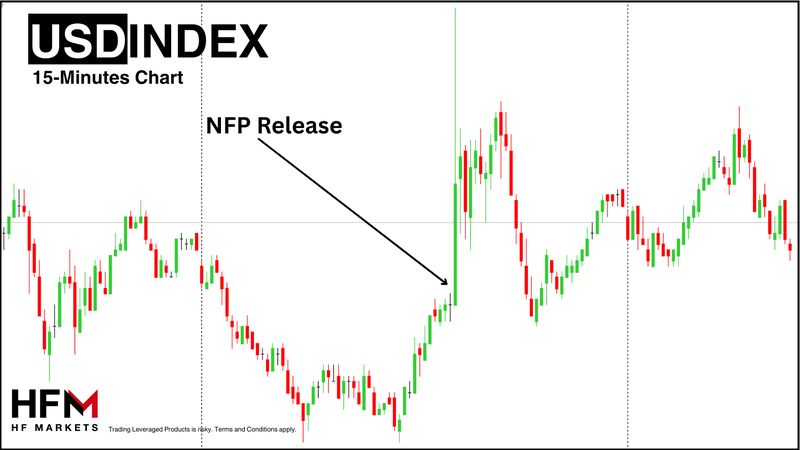
The US Dollar was one of the only assets which saw momentum remain in favour of the original impulse wave. During the Asian session and the first half of the European session, the US Dollar Index was weakening. After the positive NFP results, the currency rose 0.55%. After the original spike, the currency had seen retracements and volatility. However, the index 0.12% higher than the open price and 0.45% higher than the day’s low.

On Thursday, the price of the index continues to trade higher. The US Dollar is the best-performing currency of the day alongside the New Zealand Dollar. The currency is likely to continue obtaining potential support from the employment data. However, this afternoon’s Weekly Unemployment Claims will renew volatility levels. If the weekly claims are lower than expectations, the Dollar potentially may rise again.

HFM - USDX 15-Minute Chart

HFM - USDX 15-Minute Chart

S&P 500

The stock market at first saw a surge in buyers after the announcement of stronger employment data. This spike is most likely due to the sentiment increasing towards the US economy and its continuing economic expansion despite tariffs and new policies. However, the price was quick to correct downward and ended the day lower by 0.06%.

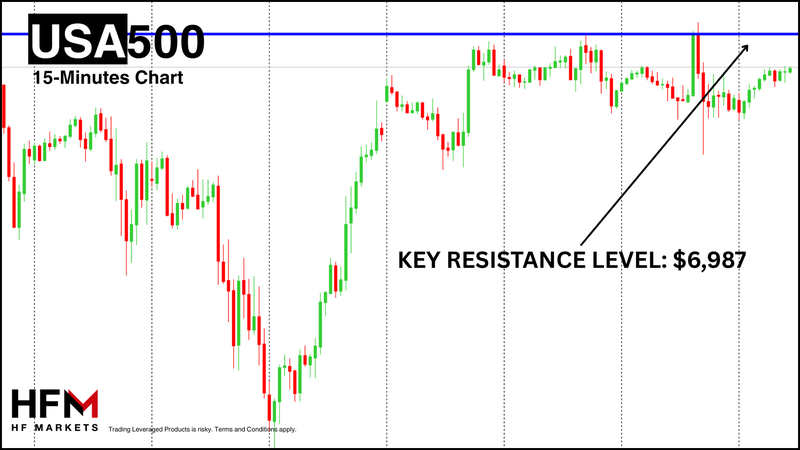
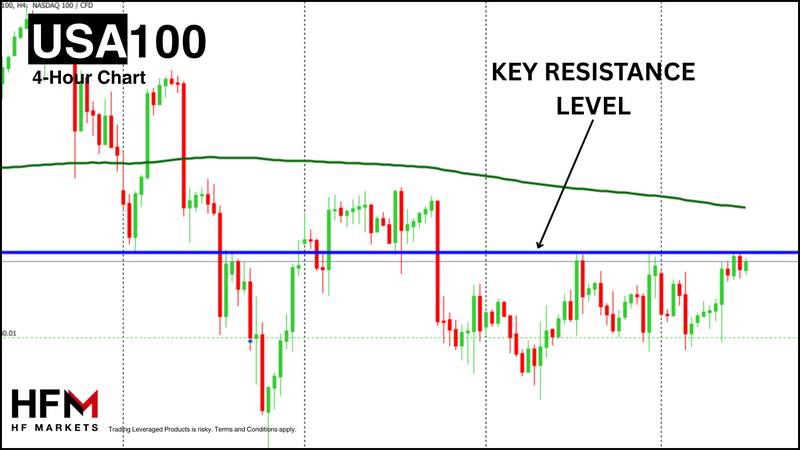
The stock market continues to struggle to break through the resistance level which has formed over the past week. For example, at $6,988 for the S&P 500 and $25,367 for the NASDAQ. A key factor which traders may be waiting for in order to obtain confirmation before trading is tomorrow’s CPI release. Analysts are expecting the US inflation rate to decline from 2.7% to 2.5%.

If inflation does not decline, sentiment towards the stock market may fall as the Fed will likely take a hawkish stance past March. However, as the price of the S&P 500 moves sideways, the price continues to remain above most moving averages on the 2-hour chart. Though the price is close to obtaining a bearish signal from the MACD index. The next trend will primarily depend on tomorrow’s Consumer Price Index.

HFM - USA500 15-Minute Chart

HFM - USA500 15-Minute Chart

Key Takeaways:

  • US jobs data strongly beat expectations, with NFP at +130K, higher wages, and lower unemployment, signalling a resilient labour market.
  • Fed rate cut expectations declined, with markets now pricing a 94% probability of a pause in March and only one 25bps cut in 2026.
  • The US Dollar strengthened clearly, gaining momentum after the data and outperforming most major currencies.
  • Stocks struggled despite strong data, with the S&P 500 facing resistance as investors await tomorrow’s CPI release for direction.
Always trade with strict risk management. Your capital is the single most important aspect of your trading business.

Please note that times displayed based on local time zone and are from time of writing this report.


Click HERE to access the full HFM Economic calendar.

Want to learn to trade and analyse the markets? Join our webinars and get analysis and trading ideas combined with better understanding of how markets work. Click HERE to register for FREE!

Click HERE to READ more Market news.

Michalis Efthymiou
HFMarkets

Disclaimer:
This material is provided as a general marketing communication for information purposes only and does not constitute an independent investment research. Nothing in this communication contains, or should be considered as containing, an investment advice or an investment recommendation or a solicitation for the purpose of buying or selling of any financial instrument. All information provided is gathered from reputable sources and any information containing an indication of past performance is not a guarantee or reliable indicator of future performance. Users acknowledge that any investment in Leveraged Products is characterized by a certain degree of uncertainty and that any investment of this nature involves a high level of risk for which the users are solely responsible and liable. We assume no liability for any loss arising from any investment made based on the information provided in this communication. This communication must not be reproduced or further distributed without our prior written permission.
 

HFblogNews

Профессионал
Регистрация
13.01.2021
Сообщения
970
Реакции
1
Поинты
9.650
Date: 13th February 2026.

AI Fears Weigh on Global Stocks Ahead of Today’s CPI.


AI Fears Weigh on Global Stocks Ahead of Today's CPI


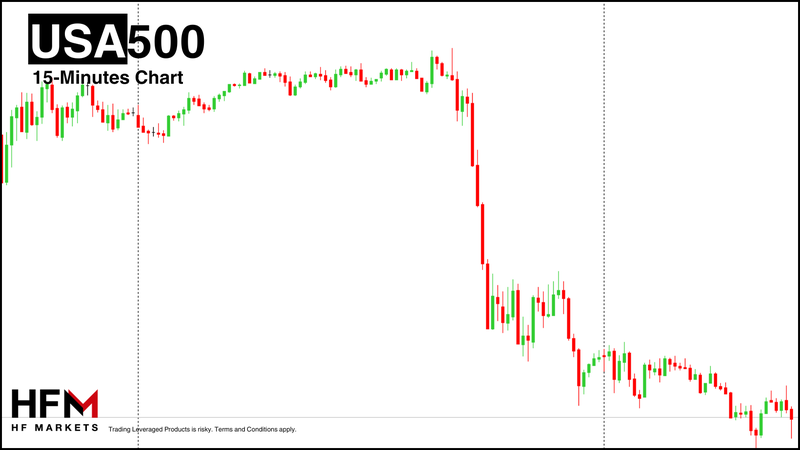
All global indices declined on Thursday, including the US, EU and Asian indices. The quick, sudden selloff is due to fear regarding AI triggering a domino effect on employment and most sectors. Economists advise that the rapid release of new AI products can hurt long-term profits and disrupt business models.

The movement continues to remain under pressure on Friday as the market sentiment remains low. In addition to this, investors are considering whether the Federal Reserve would opt for a prolonged pause. This afternoon, the US will release its latest inflation figures. The new inflation rate may shed some light on how the Federal Reserve may view its monetary policy.

HFM - S&P 500 15-Minute Chart

HFM - S&P 500 15-Minute Chart

AI Concerns Not Only A Tech-Problem

The performance of the stock market over the past 24-months has largely been related to demand in AI products. However, the growing number of companies investing in AI, along with the rapid expansion of AI products, is raising concerns among economists. These concerns of triggering a selloff amongst stocks, and not only within Technology companies.

The number of new AI products launched this week is raising concerns about traditional business models. Sectors such as logistics, real estate, professional services, and enterprise software could face disruption or replacement. One example is Intuit’s new AI-Powered Construction Edition for its Enterprise Suite. The company announced the product on Wednesday.

Analysts warned that these tools could automate tasks that previously required human labour. This raises concerns about future revenue streams for many companies. Economists advise that rapid automation and new AI products could increase unemployment. They also warn that demand for traditional products may decline. For example, Bloomberg economists say the domino effect could impact sectors unrelated to AI or technology.

For example, if there is a lesser need for traditional products and unemployment rises, the need for real estate and office space falls significantly. Hence, one of the reasons why Real Estate stocks are also under extreme pressure. For example, Camden Property Trust stocks, which are included in the S&P 500, fell 2.95% on Thursday.

Traders may ask why technology stocks are also declining, as the risk is largely related to other sectors such as logistics, real estate and industrials. Investors focusing their portfolios on AI and the technology sector are contemplating whether there is a risk of an AI-Bubble. In addition to this, investors fear that the risk which AI bears on the economy may trigger harsher regulation.

Traders should also note that strong trending markets on new technology in the past have witnessed powerful declines. For example, the .com crash in the early 2000 where the S&P 500 fell 50% and took more than 7-years to return to its pre-crash level.

Employment and the Federal Reserve

This week's strong labor market, including rising payrolls and lower unemployment, suggests economic resilience and reduces the urgency for interest rate cuts. As a result, the Federal Reserve is not likely to cut rates in March, which is a concern for stocks.

Analysts expect inflation to decline from 2.7% to 2.5%, positive for investor sentiment and the stock market. However, if inflation does not decline to this level, investors will fear a prolonged pause, and this can pressure stocks further. Particularly as stocks are already under pressure from a “risk off” appetite.

As a last note, a positive factor for the stock market is that President Trump is contemplating whether to slightly lower tariffs on certain metals. These tariffs were put in place last summer, but recent reports indicate these tariffs may be reduced.

S&P 500 - Technical Analysis

The price of the S&P 500 is currently trading 2.70% lower than the previous swing high. When monitoring previous bearish swings, the average decline that the S&P 500 witnessed is 3.65%. For this reason, price action and past price data indicate the price can potentially continue to fall.

On the 2-hour timeframe, the price of the S&P 500 has fallen below the 100-bar Simple Moving Average and below the 75-Bar Exponential MA. In addition to this, the price is also witnessing bearish crossovers on most timeframes and is trading below the day's Volume-Weighted Average Price. The VWAP is also pointing downwards, which further indicates a bearish signal.

According to the 200-BAR SMA on the 5-minute chart, a correction signal is not likely unless the price increases to $6,850.00. However, this would also depend on this afternoon's Consumer Price Index. A lower inflation reading could boost sentiment and demand.

Key Takeaways:

  • Global markets fell on Thursday on fears that rapid AI adoption could disrupt multiple sectors.
  • Fears arise after the release of multiple AI products throughout the week.
  • AI products may automate tasks, hurt traditional revenue streams, and increase unemployment risks.
  • Real estate stocks, like Camden Property Trust, fell due to declining demand for office space.
  • Strong US employment reduces urgency for Fed rate cuts, while inflation data will guide policy.
  • S&P 500 shows bearish technical signals, with downside risk unless CPI and sentiment improve.
Always trade with strict risk management. Your capital is the single most important aspect of your trading business.

Please note that times displayed based on local time zone and are from time of writing this report.


Click HERE to access the full HFM Economic calendar.

Want to learn to trade and analyze the markets? Join our webinars and get analysis and trading ideas combined with better understanding of how markets work. Click HERE to register for FREE!

Click HERE to READ more Market news.

Michalis Efthymiou
HFMarkets

Disclaimer:
This material is provided as a general marketing communication for information purposes only and does not constitute an independent investment research. Nothing in this communication contains, or should be considered as containing, an investment advice or an investment recommendation or a solicitation for the purpose of buying or selling of any financial instrument. All information provided is gathered from reputable sources and any information containing an indication of past performance is not a guarantee or reliable indicator of future performance. Users acknowledge that any investment in Leveraged Products is characterized by a certain degree of uncertainty and that any investment of this nature involves a high level of risk for which the users are solely responsible and liable. We assume no liability for any loss arising from any investment made based on the information provided in this communication. This communication must not be reproduced or further distributed without our prior written permission.
 

HFblogNews

Профессионал
Регистрация
13.01.2021
Сообщения
970
Реакции
1
Поинты
9.650
Date: 16th February 2026.

Gold Pulls Back, Asia Trades Lightly, and AI Volatility Lingers: Markets Recalibrate Ahead of Key US Data.


Gold Pulls Back, Asia Trades Lightly, and AI Volatility Lingers: Markets Recalibrate Ahead of Key US Data


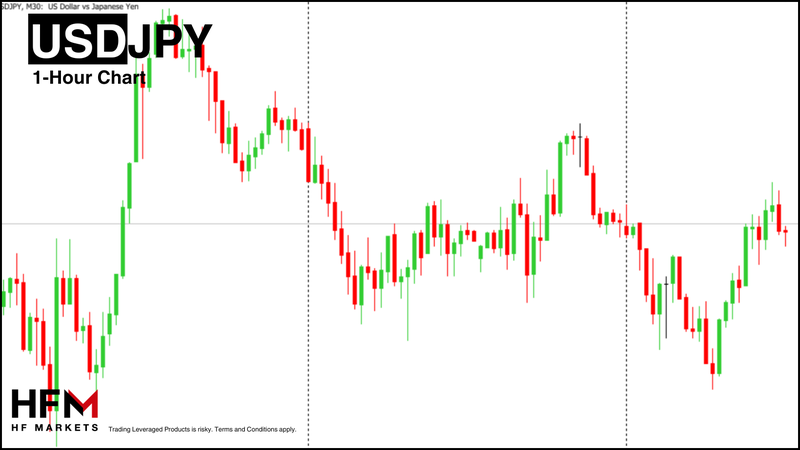
Global markets opened the week in a restrained mood, with Lunar New Year holidays draining liquidity from Asia, precious metals retreating from recent highs, and investors continuing to digest last week's AI-driven volatility.

While price moves were modest on the surface, underlying themes remain significant: inflation expectations, Federal Reserve policy direction, emerging market resilience, and the structural impact of artificial intelligence. US markets will also be closed on Monday for the Presidents' Day holiday.

Lunar New Year Drains Liquidity Across Asia​

Trading activity across Asia was heavily influenced by Lunar New Year celebrations, creating thin market conditions and mixed equity performance. Major regional exchanges in mainland China, South Korea, and Taiwan were closed entirely. Hong Kong's Hang Seng Index operated for only a half-day session, rising 0.5%.

Elsewhere:

  • Australia's S&P/ASX 200 gained 0.2%
  • India's BSE Sensex added 0.3%
  • Japan's Nikkei 225 slipped 0.2%
Japan's decline was less about holiday effects and more about disappointing economic data. The country's GDP expanded at just 0.2% annualized in the final quarter of the year, below expectations. The weaker growth print increases the likelihood that Prime Minister Sanae Takaichi may pursue further fiscal stimulus to revive momentum.

The Lunar New Year period once again highlights how regional cultural events can materially affect liquidity, volatility, and short-term price discovery in Asian markets.

Gold and Silver Retreat After Extreme Volatility​

Precious metals moved lower on Monday as traders locked in profits amid thin trading conditions.

  • Gold fell 0.6% to $5,015 per ounce
  • Silver dropped 1.9% to $76.50 per ounce
The pullback follows a period of dramatic swings. Gold had previously surged to record highs before suffering a sharp 9% one-day drop following news related to Federal Reserve leadership developments. Silver has been even more volatile, sliding more than 25% from recent peaks.

Despite the latest decline, the broader trend remains powerful:

  • Gold is still up approximately 70% over the past 12 months
  • Silver has surged roughly 140% year-over-year
Recent price action reflects consolidation rather than structural weakness. Friday's US inflation data, which showed moderating price pressures, briefly reignited bullish momentum by strengthening expectations of potential Federal Reserve rate cuts. However, the lack of fresh catalysts combined with reduced Asian liquidity triggered profit-taking.

The market appears to be transitioning from aggressive momentum buying to a phase of reassessment and balance between bullish structural drivers and short-term positioning pressures.

Wall Street Stabilises After AI-Driven Turbulence​

Last week's dominant theme was artificial intelligence disruption.

Fears that AI could significantly reshape software, financial services, logistics, and real estate sectors triggered sharp moves beneath the surface of headline indices.

By Friday:

  • The Nasdaq Composite ended the week down 2.1%
  • The S&P 500 posted a weekly loss of 1.4%
  • The Dow Jones Industrial Average declined 1.2% on the week
Semiconductor heavyweight Nvidia fell 2.2% on Friday, reflecting ongoing sensitivity to AI expectations. Meanwhile, AppLovin rebounded sharply after steep prior losses, illustrating how quickly sentiment can shift in high-beta technology names.

Markets found some stability after softer US inflation readings reinforced the possibility of further Federal Reserve easing this year. With US markets closed Monday for Presidents' Day, attention now shifts to Friday's Personal Consumption Expenditures (PCE) report - the Fed's preferred inflation gauge.

Emerging Market Currencies Quietly Outperform​

One of the more underappreciated developments in global markets is the unusual stability of emerging-market currencies. Volatility measures suggest EM currencies have fluctuated less than their G7 counterparts for nearly 200 consecutive trading days; a rare stretch of calm.

Several factors are contributing:

  • A softer US dollar
  • Expectations of gradual Fed rate cuts
  • Strong commodity prices
  • Robust capital inflows
The carry trade dynamic remains supportive, as borrow investors in low-yielding currencies and allocate capital to higher-yielding emerging-market assets. So far this year, a basket of developing-market currencies has gained roughly 3%, extending last year's strong performance.

Controlled volatility continues to attract inflows, although such conditions tend to be fragile if global risk sentiment deteriorates.

Oil and FX: Stability for Now​

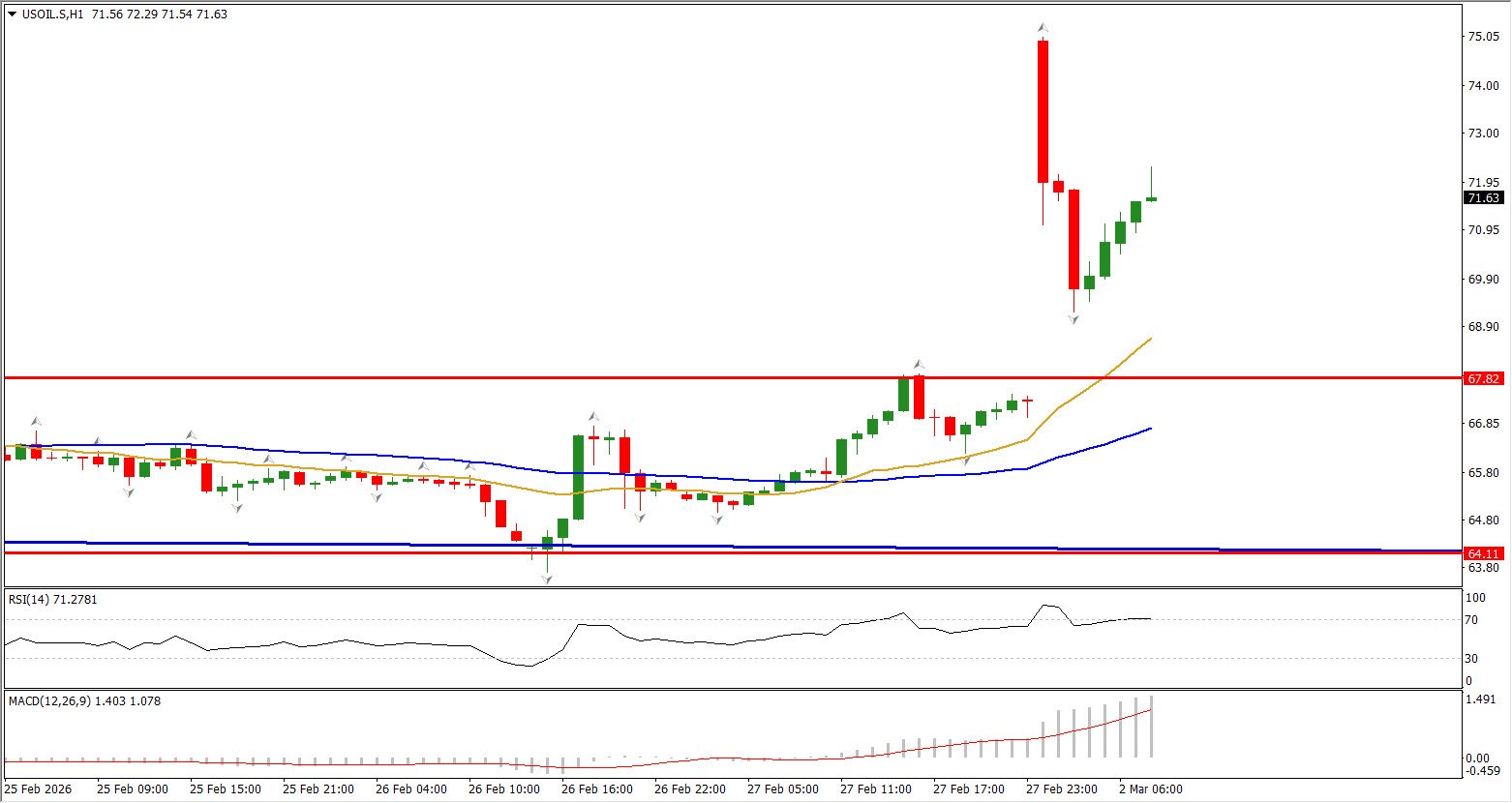
Oil prices were largely unchanged, reflecting balanced supply-demand conditions.

In foreign exchange:

  • The US dollar strengthened modestly against the Japanese yen
  • The euro eased slightly versus the dollar
Movements were relatively contained, consistent with reduced liquidity and a broader wait-and-see tone ahead of key US data releases.

The Bigger Picture: Repricing, Not Panic​

Markets are not in panic mode; they are in recalibration mode.

  • Precious metals are consolidating after extreme swings.
  • Equities are digesting AI disruption narratives.
  • Emerging markets are benefiting from controlled volatility.
  • Central bank expectations remain the anchor of sentiment.
With Lunar New Year disruptions fading and US inflation data ahead, liquidity will return, and with it, potentially stronger directional moves.

For now, the environment is defined by balance: optimism about easing inflation and resilient asset performance, tempered by structural uncertainty around AI, policy credibility, and global growth.

The next decisive catalyst is likely to come from inflation data and how it reshapes expectations for the Federal Reserve's next move.

Always trade with strict risk management. Your capital is the single most important aspect of your trading business.

Please note that times displayed based on local time zone and are from time of writing this report.


Click HERE to access the full HFM Economic calendar.

Want to learn to trade and analyze the markets? Join our webinars and get analysis and trading ideas combined with better understanding of how markets work. Click HERE to register for FREE!

Click HERE to READ more Market news.

Michalis Efthymiou
HFMarkets

Disclaimer:
This material is provided as a general marketing communication for information purposes only and does not constitute an independent investment research. Nothing in this communication contains, or should be considered as containing, an investment advice or an investment recommendation or a solicitation for the purpose of buying or selling of any financial instrument. All information provided is gathered from reputable sources and any information containing an indication of past performance is not a guarantee or reliable indicator of future performance. Users acknowledge that any investment in Leveraged Products is characterized by a certain degree of uncertainty and that any investment of this nature involves a high level of risk for which the users are solely responsible and liable. We assume no liability for any loss arising from any investment made based on the information provided in this communication. This communication must not be reproduced or further distributed without our prior written permission.
 
Сверху Снизу